Featured

Indicators on The Future in Debt Forgiveness and Consumer Options You Should Know
Table of Contents
That frees up money in the short-term, and you may have three to 4 years to conserve towards the settlement amount. Extremely unsafe to credit rating scores, largely because of missed settlements and an unfavorable "settled" mark that can stay on your credit scores record for as much as seven yearsMay be just alternative if other choices (financial obligation loan consolidation, balance transfer credit score cards, debt forgiveness) aren't possibleTypically needs a fee to the 3rd party, which could offset some or every one of the financial savings from debt settlementMay aid you stay clear of bankruptcy if you've missed a number of paymentsNot all financial institutions collaborate with financial debt settlement business Financial debt forgiveness may be ideal for you if you are experiencing an economic difficulty that makes it virtually difficult to pay down your debt balances.
With a DMP, you make one regular monthly repayment to the credit report counseling firm. Those funds are then dispersed to financial institutions of your unsecured financial obligations, such as debt cards and installment financings. The company deals with your lenders to reduce rate of interest or forgo fees, but some creditors may decline such concessions.
A debt loan consolidation lending combines your qualified financial obligations into one brand-new finance. It can assist you pay for financial debt if you're able to protect a funding price that's reduced than the typical price of the accounts you're combining. You have to avoid from racking up financial obligation on those freshly cleared accounts or your financial debt might expand also greater.

These cards usually use a 0% passion introductory period of approximately 21 months. That provides you plenty of time to get rid of or significantly decrease your equilibrium while making interest-free settlements. For some people facing overwhelming financial debt, personal bankruptcy might be the only method to quit collection procedures and lawfully settle their debts.
The Definitive Guide for No-Cost Accessible Debt Counseling Materials That Help Families
You might need it if your financial institution or a collection firm ever attempts to collect on the financial obligation in the future. When a lending institution forgives $600 or even more, they are called for to send you Type 1099-C.
Financial debt mercy or settlement generally harms your credit report. Anytime you clear up a debt for less than you owe, it might appear as "worked out" on your credit rating record and influence your credit history for seven years from the date of negotiation. Your credit scores can also go down substantially in the months causing the mercy if you fall back on payments.
The 4-Minute Rule for Economic Uncertainty and Growing Need for Debt Forgiveness
This circumstance often results from underreporting income, not filing returns on time, or disparities found during an IRS audit. The repercussions of building up tax obligation financial debt are severe and can consist of tax obligation liens, which give the IRS a legal claim to your residential or commercial property as security for the financial debt.
Higher rates of interest on readily available credit rating. Wages and Financial institution Accounts IRS can impose (seize) wages and checking account to please the financial debt. Minimized revenue and disturbance of essential economic processes. Residential or commercial property Seizure In severe instances, the IRS can take and sell residential property to cover the financial obligation. Loss of useful possessions and potential variation.
Social Preconception Dealing with lawful activity from the IRS can carry social stigma. Employment Opportunities A bad credit rating due to exhaust debt can restrict employment opportunities. Federal government Benefits Tax obligation financial debt might influence qualification for government benefits, such as Social Protection and Medicaid.
Not known Factual Statements About Your Introduction to Debt Counseling and What to Ask
The OIC takes into consideration several variables, including the taxpayer's income, expenses, possession equity, and capability to pay. Efficiently negotiating an OIC can be complicated, requiring a comprehensive understanding of the internal revenue service's guidelines and a solid argument for why your offer straightens with your capacity to pay. It's crucial to keep in mind that not all applications are approved, and the process needs detailed financial disclosure.
The internal revenue service examines your general monetary situation, including your earnings, expenses, possession equity, and capability to pay. You must additionally be current with all declaring and payment needs and not remain in an open bankruptcy case. The IRS also considers your compliance background, examining whether you have a record of timely declaring and paying taxes in previous years.
Everything about Innovation Makes Quick-Response Support: How APFSC Is Saving Lives During Crises Easier
The application process for a Deal in Compromise involves a number of detailed actions. Initially, you should complete and submit IRS Kind 656, the Offer in Concession application, and Kind 433-A (OIC), a collection information statement for people. These types need detailed monetary info, including information regarding your earnings, debts, costs, and assets.
Back taxes, which are unpaid taxes from previous years, can significantly increase your total internal revenue service financial obligation if not dealt with quickly. This debt can accrue interest and late settlement fines, making the original amount owed a lot bigger over time. Failing to repay taxes can lead to the IRS taking enforcement actions, such as providing a tax obligation lien or levy versus your residential or commercial property.
It is essential to deal with back taxes immediately, either by paying the full amount owed or by preparing a layaway plan with the internal revenue service. By taking positive actions, you can stay clear of the build-up of additional rate of interest and charges, and stop much more hostile collection actions by the internal revenue service.
One common factor is the idea that the taxpayer can pay the full amount either as a round figure or via a layaway plan. The internal revenue service likewise considers the taxpayer's revenue, costs, possession equity, and future earning potential. If these variables suggest that the taxpayer can manage to pay greater than the used amount, the internal revenue service is likely to turn down the deal.
4 Easy Facts About Comparing Debt Forgiveness Options in the Industry Explained
Dealing with Internal revenue service debt can be intricate and difficult. Tax professionals, such as Certified public accountants, tax attorneys, or enrolled representatives, can give indispensable support.

Table of Contents
Latest Posts

Some Known Facts About ROI vs Going It Alone Methods.

Get This Report about Compliance Considerations Related to Bankruptcy Proceedings
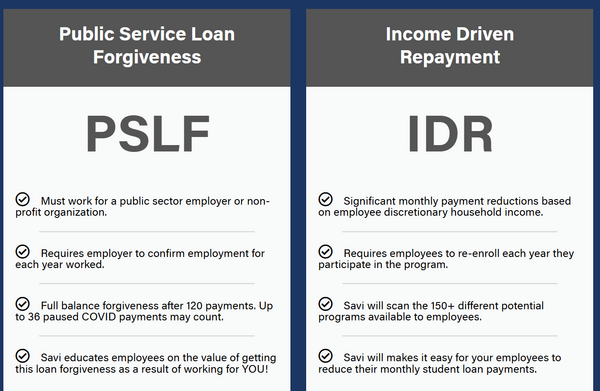
A Biased View of Post-How Nurses Can Qualify for Loan Forgiveness and Debt Relief Programs Help Including Follow-Up Programs
More
Latest Posts
Some Known Facts About ROI vs Going It Alone Methods.
Get This Report about Compliance Considerations Related to Bankruptcy Proceedings
A Biased View of Post-How Nurses Can Qualify for Loan Forgiveness and Debt Relief Programs Help Including Follow-Up Programs